

Introduction to Modern Slavery and why Modern Slavery Training is beneficial.
Modern slavery exists everywhere, often unnoticed. Individuals frequently become trapped in jobs where they may face violence, threats, debt, have their passports confiscated, and be under the constant risk of deportation. Many are lured by hopes of escaping poverty and supporting their families.
Modern slavery is a deeply concerning issue that affects many individuals and refers to situations where people are exploited and controlled through coercion, threats, or deception, depriving them of their basic rights and freedoms. Those trapped in modern slavery often face severe mistreatment and are unable to leave their situation due to fear, manipulation, or economic dependence.
Across the entire British Empire, the Slavery Abolition Act of 1833 made traditional slavery illegal, and America, Brazil and Cuba shortly followed suit. The slavery that was banned is often called traditional slavery, but also known as chattel slavery, and the legal definition of the word ‘chattel’ is a movable article of personal property.
Chattel slavery was effectively the ownership of one person by another, where slaves were treated as personal property to be bought, sold, and inherited, with owners having absolute control and the enslaved having no rights. Chattel slaves were considered personal property; they had no legal rights and were subject to the complete will of their owner. There was no difference in the eyes of the law between chattel slaves and livestock.

The Initial Problems with Giving Slaves Freedom
When traditional slavery was outlawed, it could have created problems for farmers and businesses if they suddenly lost the majority of their labour force. In answer to this, the British government allocated a £20 million compensation fund for plantation owners for their loss of livestock/property, and forced the newly freed slaves to continue working under an apprenticeship scheme. This led to slaves in British colonies being legally obligated to continue working for their former enslavers with some rights and protections. However, the system was often seen as another form of slavery and was abolished early in 1838 due to public pressure.
Once slavery was made illegal, the world should have become a liberal utopia of peace, freedom, and happiness with all people having free choice, basic rights and freedom.
Unfortunately, as the apprenticeship system came to a close, plantation owners sought to replace the labour force that slavery had provided, resulting in the emergence of new and deeply exploitative labour systems designed to secure inexpensive workers. In the British Caribbean, this shift led to the mass importation of hundreds of thousands of indentured servants, predominantly from India, in a desperate attempt to alleviate the labour shortages plaguing the sugar plantations.
The “indenture” system, while distinct from chattel slavery, entrapped labourers in low-paying contracts that spanned several years. These contracts often subjected them to gruelling work and squalid living conditions in a harsh and coercive environment. Though the indentured servants were technically not owned as property, the exploitative nature of their circumstances perpetuated the very dynamics of oppression that defined the plantation economy. Thus, this system, rooted in manipulation and deprivation, ensured the continued profitability of sugar plantations at the expense of those who toiled within them.
The indenture system is a classic example of modern slavery. There is no ownership of one person by another, but the modern slaves are entrapped on a plantation with no escape, and rely on the plantation owners for food and shelter.
So, despite slavery being outlawed, modern slavery replaced traditional slavery and even now exists in many hidden and often overlooked forms. This issue of modern slavery spans industries and communities, making it challenging to recognise and resolve. Exploitation usually goes unnoticed in settings like factories, farms, or homes, where victims can blend in with everyday life.
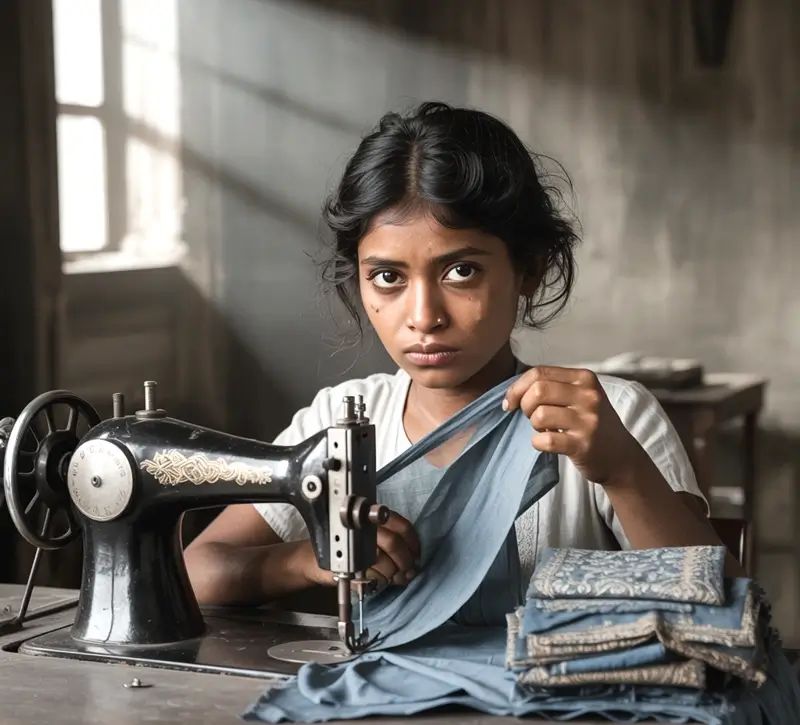
Types of Modern Slavery
There are many forms of modern slavery, but five of them stand out as they are common practices the world over.
Forced labour. This is any work or service people are forced to do against their will, usually under the threat of a penalty.
- Debt bondage/bonded labour. The most prevalent form of slavery globally involves individuals trapped in poverty who borrow money and are subsequently compelled to work to repay their debts, resulting in a loss of control over both their employment conditions and their financial obligations.
- Child slavery. When a child is exploited for someone else’s gain, this can include child trafficking, child soldiers, child marriage and child domestic slavery. In the UK, 47% of victims are individuals who claimed they were exploited as children.

- Sex trafficking. Sex trafficking is a form of modern slavery where individuals are controlled to engage in non-consensual sexual exploitation for the profit of the trafficker, and often targets vulnerable individuals and children.
- Forced and early marriage. This usually involves a minor who has not given their free and informed consent to enter a marriage. Often, there is a sense of the husband taking ownership of the wife, and the wife cannot realistically leave or end the marriage even when she becomes an adult, leading potentially to a lifetime of slavery.
- Domestic servitude. Domestic work and domestic servitude can encompass a range of services, from housekeeping to childcare. They can offer vital employment opportunities for many individuals, particularly in regions where job options are limited. When effectively regulated, these positions can serve as a significant source of income. Yet, without proper legal protections, workers can become victims of mistreatment, including unfair wages, excessive working hours, and a lack of basic rights. This vulnerability is exacerbated by factors such as isolation, language barriers, and insufficient access to support networks, which can create an environment where exploitation can thrive.



More Stories
Brits Evolving to Stay at Home for a Change
Marquee Hire FAQ – A Few Basics Covered
Samsung Galaxy Note 9 To Not Get An On-screen Fingerprint Sensor