

The early days of a new business can be fraught, and it might feel as though you’re walking a financial tightrope. Although there are plenty of expenses to worry about, keeping costs low should be one of your top priorities. Here are some tips to help.
#1 Scale back the office
The office space is a vital part of the business, but one that’s also a big expense. There are savings to be made, though. A shared office space represents a significantly lower financial outlay than an individual one, and the advantages don’t end there. Shared office spaces are more efficient, friendlier and often much tidier, too. While it won’t be possible for every business, remote working should be a serious consideration as well. The coronavirus pandemic exposed the potential of remote work, and employees often favour it. They’ll thank you for cutting out the daily commute, and even if you don’t want to go fully remote, there are plenty of hybrid models to choose from.
#2 Outsource rather than hire
New businesses require all kinds of services, from web design to marketing, all of which cost money. Rather than trying to keep these processes in-house and hiring staff, consider outsourcing. Hiring web designers to take care of your website, for example, is much cheaper than bringing IT specialists onto the payroll. The same applies to things like social media management and even customer services. Outsourcing these to a third party can save you a lot of money while helping to keep the workforce streamlined and focussed on your business’s core mission. It allows staff to focus on growth rather than tasks that can be performed elsewhere.
#3 Renegotiate bills
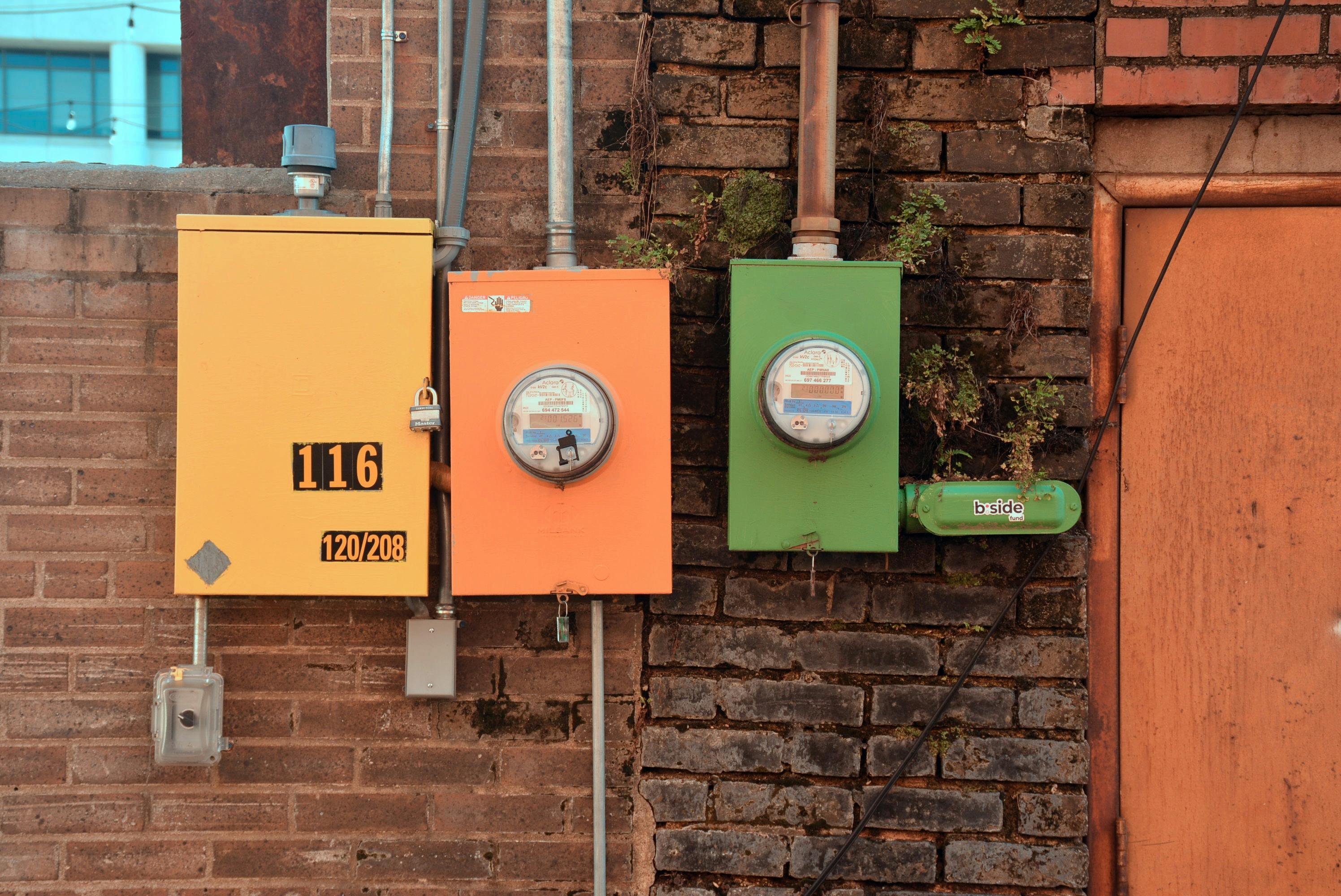
When you move into a new office space or building, you inherit energy tariffs from the previous owners. This usually means that you’re on a more expensive rollover contract. Rather than sticking with that arrangement, compare utility prices (electricity and water) straight away. You’ll nearly always be able to find a cheaper price with a new business tariff, and this has the additional benefit of allowing you to tailor your energy demands to your business’s needs. The same applies to broadband. Not only will you be able to find a cheaper price by switching, but you might even get a quicker connection.
#4 Use automation
Automation will undoubtedly play a massive role in the future of the business world, but you can make use of it today. Lots of business tasks can be automated so that you don’t need to hire staff, saving money. Customer services, for example, can be handed over to an automated chatbot. This software answers questions, responds to queries and points customers in the direction of further help. Marketing, social media and even email responses can be fully automated, alongside more arduous tasks like payroll and accounting. Getting automation working in your favour now doesn’t just mean saving money. It ensures that your business is ahead of the curve and fully future-proof.



More Stories
UK Payroll Specialist Reveals Tips to Improve Payroll Processes
Maximizing Insurance Benefits: Enhancing Block of Flats with Energy Performance Certificates Improvements
Rethinking Black Friday: Navigating the Impact on Independent Retailers and Brands